
The Long Road: 3 Endurance Runners on OCD, Recovery, and Showing Up
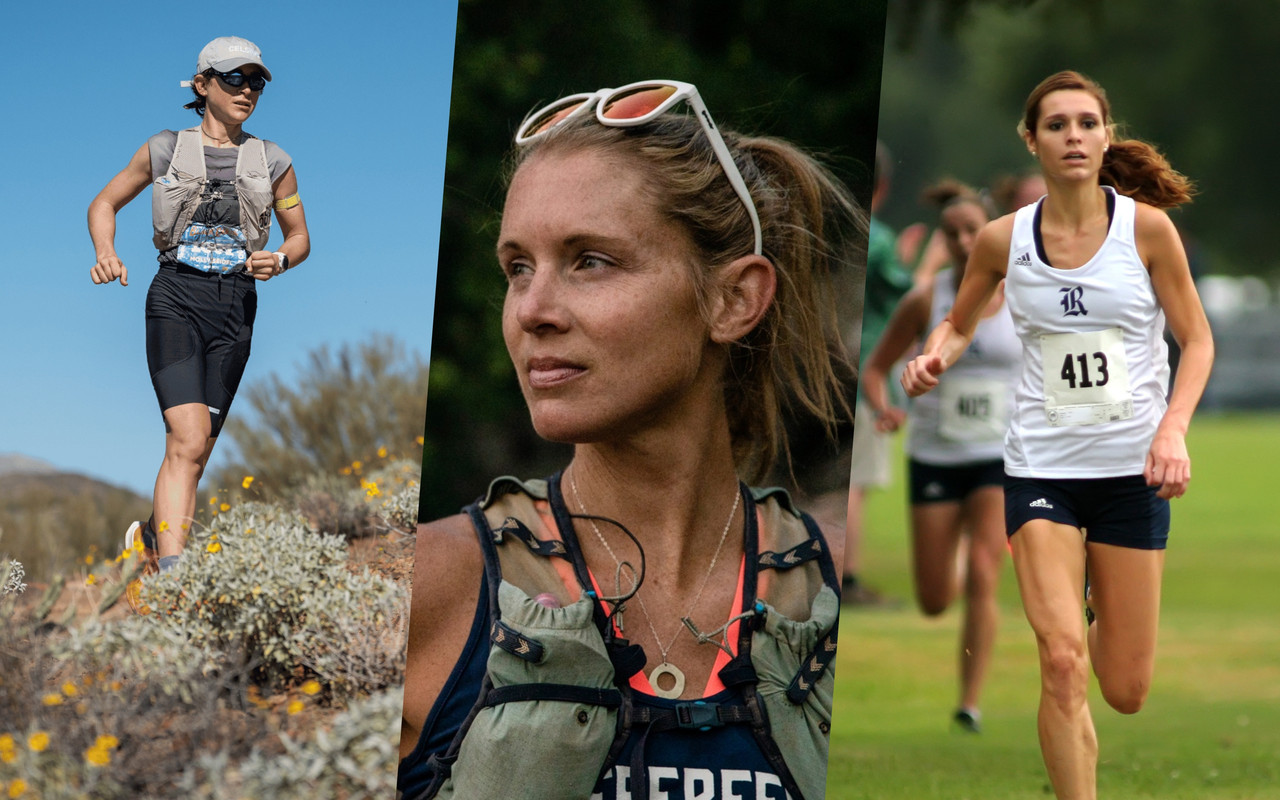
Endurance running is often framed as a test of toughness. The miles, routines, and early alarms that you commit to. The quiet decision to keep going when there is no crowd or no immediate proof that the work is paying off.
That is part of what makes the sport and practice of endurance running so powerful. But when OCD enters the picture, the story gets more complicated.
OCD is not just discipline or order. Despite what's often shown in movies or tv shows, it's not just being particular, routine driven, or a bit obsessive about the way things are done. OCD involves unwanted intrusive thoughts, fears, or doubts, often followed by compulsions meant to reduce anxiety or create a sense of certainty.
That distinction matters in endurance sports.
Running can also become tangled up with perfectionism, avoidance, over optimizing, and overtraining. While movement is a powerful tool, it is not a cure.
The runners below have spoken publicly about OCD, recovery, mental health, and the long process of learning how to keep showing up.
Their stories are different, but they point toward the same idea: endurance is not about being untouched by struggle. It is about learning how to move forward with honesty, support, and the right tools.
1. Molly Seidel: When Success Doesn't Silence the Noise
Accomplishments: Molly Seidel won bronze in the marathon at the Tokyo Olympics.
From the outside, her Olympic breakthrough looked like a dream: making the U.S. Olympic team in her first marathon, and following it up with a medal on the world's biggest stage. But Seidel has been open about the much messier reality behind that success. She has publicly shared her struggles with OCD, depression, anxiety, and eating disorder recovery.
Her openness is impactful because high performance can make struggle harder to see. When someone is winning, or performing at an elite level, people often assume they must be above their struggles.
But a medal does not erase OCD. A new PR does not mean someone is no longer managing recovery.
"A TV at level 10 volume in the back of your head at all times."
Seidel has described OCD that way. That image is a familiar one for many with OCD. The exhaustion of trying to live your life and remain present while your mind keeps demanding attention.
Seidel's story reminds us that endurance is not about outrunning the noise. It is about learning how to keep moving without letting the noise make every decision.
2. Cali Werner: The Right Tools for the Long Road
Cali Werner is a marathon runner, U.S. Olympic Marathon Trials qualifier, and now a licensed therapist who works with athletes experiencing OCD and anxiety.
Werner brings a unique perspective to this conversation: she has lived it as both an athlete and a clinician.
As a runner, she understands the endurance mindset: keep showing up when progress feels slow. As a therapist, she also understands where that mindset has limits. This is because OCD recovery is not always about pushing harder.
OCD can make uncertainty feel urgent by turning ordinary doubts and fears into something that feels impossible to leave alone. For athletes, that can show up around performance, mistakes, routines, reassurance, or the fear that one small deviation could throw everything off.
Werner's story helps separate OCD from the language it often gets mistaken for in sports: discipline, perfectionism, and competitiveness.
"Once the symptoms get bad enough, that's when we no longer see this desire to play the sport because they're not in control anymore, the OCD is. So I think just being cognizant that if you're doing these compulsions for your sport eventually that leads to burnout, so get the help that you can because you deserve to love your sport."
Recovery asks for a different kind of strength. Not the strength to outwork every fear, but the strength to respond differently when fear shows up. Learning to tolerate uncertainty, resist compulsions, and return to the present without getting deeper into the OCD loop.
For runners, this is a familiar concept. Endurance is not built in one dramatic breakthrough, but through showing up on a consistent basis. The same can be true in recovery.
3. Amelia Boone: When Grit Needs Guardrails
Amelia Boone is an ultrarunner, attorney, and one of the most accomplished obstacle racing athletes in the sport's history. She is a four time obstacle racing world champion, with wins in the Spartan Race World Championship and three World's Toughest Mudder titles.
She has also written openly about OCD, exposure therapy, injury, uncertainty, and rebuilding her relationship with performance.
Her story highlights a tension many endurance athletes understand: the same traits that help someone succeed can become harmful when they are driven by fear. Endurance sports reward pushing through, but fatigue, hunger, pain, stress, and fear are not always things to override. Without support, discipline can start to look like control and consistency can become rigidity.
Boone's story reminds us that endurance is not always about doing more. Sometimes the harder work is slowing your pace on a recovery run or accepting that recovery takes longer than expected.
For athletes with OCD, that can be especially difficult when discomfort starts to feel like something to conquer instead of something to understand. The goal is not always more control, it is more freedom.
If this resonated, come join the community.
Join OCDurance