
The Process, Not the Scoreboard: What Nick Saban's Philosophy Can Teach Us About OCD Recovery
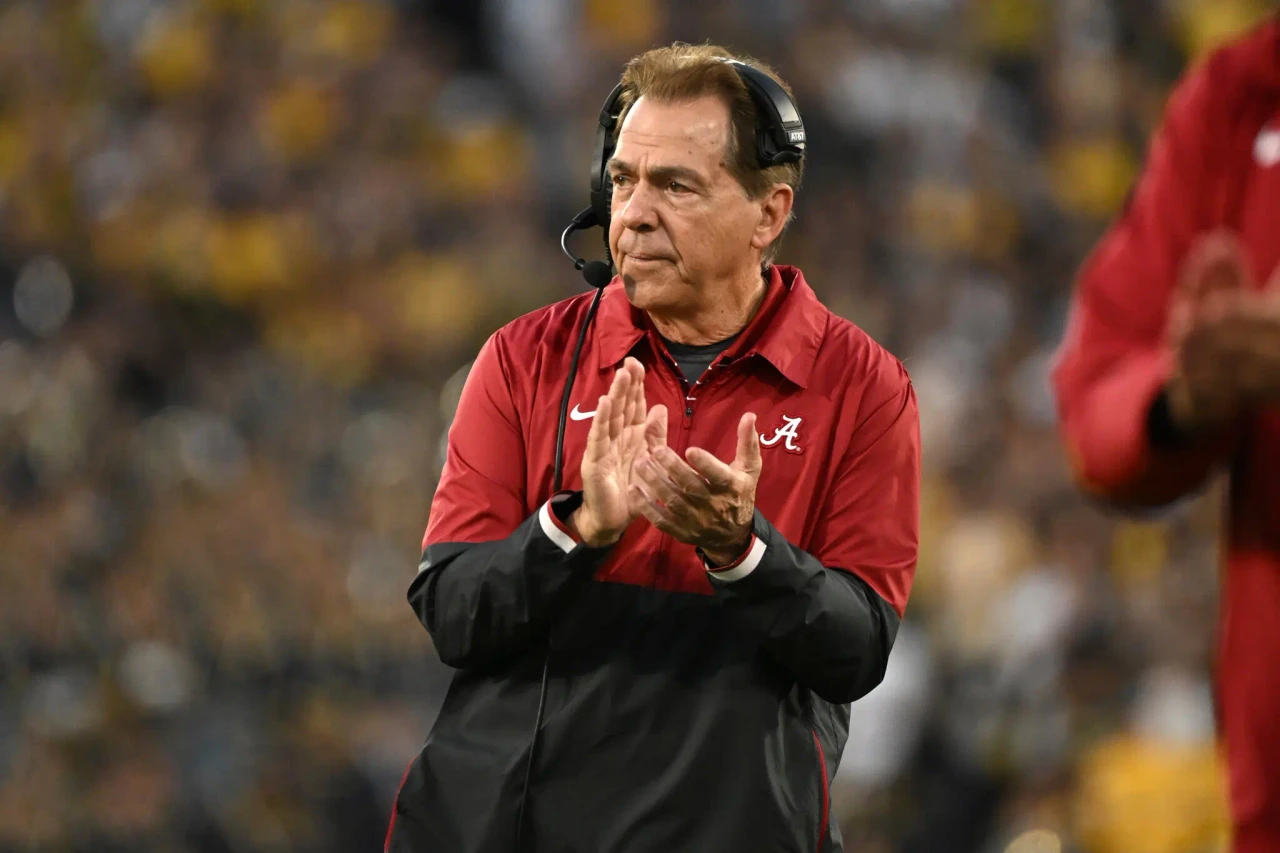
Nick Saban built a dynasty on a simple idea: stop staring at the scoreboard.
The scoreboard tells a story before the story is finished, turning every mistake into evidence and every deficit into a verdict. It pulls your attention toward the one thing you cannot fully control yet: the final outcome.
Saban's answer was "The Process." Not the championships, rankings, or the noise around his accolades, but the next controllable action. The idea can come off as obvious, yet most of us struggle to separate the process from the outcome.
The approach that built a coaching legend has applications far beyond football. At its core, the process is about attention and what happens when the mind leaves the present moment to chase outcomes and certainty that haven't arrived.
For anyone dealing with OCD, this is a familiar tension.
OCD wants proof that the thought is gone, the feeling is safe, or the uncertainty has been solved. The problem is that recovery does not usually arrive like a final score. More often, it is built quietly through the next response.
What The Process Actually Means
"The process is really what you have to do day in and day out to be successful. We try to define the standard that we want everybody to sort of work toward, adhere to, and do it on a consistent basis. And the things that I talked about before, being responsible for your own self determination, having a positive attitude, having great work ethic, having discipline to be able to execute on a consistent basis, whatever it is you're trying to do, those are the things that we try to focus on, and we don't try to focus as much on the outcomes as we do on being all that you can be."
— Nick Saban
Whether you're training for your next race or trying to live with less anxiety, the work happens in small moments, one response at a time.
Trying to control the whole thing usually creates more pressure. The process asks for something less dramatic and more useful: put your attention where your agency actually exists. Not on the final result, the noise around it, or the imagined future where everything is finally settled, but on the moment in front of you.
That does not satisfy the part of the mind that wants a guarantee. But it works because it brings the person back to the only place change can happen.
OCD Wants You Staring at the Scoreboard
Checking progress can be helpful to notice patterns, track growth, and understand what is working. But there is a line where checking stops being information and starts becoming compulsive.
That line can be hard to see because the questions often sound reasonable.
They often appear in simple ways like:
"Do I feel better yet?"
"Is that thought gone yet?"
"Why am I still anxious?"
From the outside, those questions may look productive. But OCD has a way of turning self monitoring into a loop that can range from annoying to debilitating. You check to feel certain, the certainty does not last, and then you check again.
Before long, the recovery process becomes another place to seek reassurance. The scoreboard promises clarity, but it keeps pulling attention away from the work in front of you.
Recovery Starts With the Next Response
Much like OCD recovery, endurance training is process based work. It's not built by judging every mile in real time. It is built by practicing the next run or response, then returning to the work again time after time.
When a thought shows up or a fear spikes, OCD pushes for the old pattern: check, review, avoid, repeat, solve, or seek reassurance. Recovery asks for a different move. Let the uncertainty be there. Resist the compulsion in front of you and return to what matters, even if anxiety is still present.
That can feel wrong at first. But just like an easy run can feel too slow, or a rest day can feel unproductive, resisting OCD may not feel like progress in the moment.
The process is not about proving you are better right away or trying to recover through bursts of willpower. It is about building the capacity to respond differently, one rep at a time.
The most effective OCD tools are built through practice, not instant relief. OCD wants a guarantee before you move. Recovery asks you to take the next step without one. Whether that means doing the exposure, skipping reassurance, going for the run, or returning to the task in front of you.
The point is not to make every fear disappear before you live your life. The point is to keep practicing responses that give the decision back to you.
Win the Next Rep
The process does not require perfection, and neither does recovery. A bad day, a spike, or a compulsion does not erase the work you have done. Like a rough run in the middle of a training block, it may be difficult but provides you with valuable information you can use to your advantage.
That is the difference between process thinking and scoreboard thinking. OCD wants to turn one hard moment into a verdict, while recovery asks you to come back to the next response.
That might mean resisting one compulsion, allowing uncertainty to linger, or returning to the present moment before anxiety has fully disappeared. It may feel like an easy run that does not look impressive on paper, but still builds a valuable foundation you need to hit your goals.
Recovery is often built through reps, not breakthroughs. The goal is not to become fearless or wait until anxiety is low enough to resume your life. The goal is to keep showing up, act from your values instead of your fear, and trust the process even when it does not feel like progress yet.
The process is easier with people beside you. Join the OCDurance community to connect with others built around OCD recovery, endurance running, and showing up one rep at a time.
Join the Community